
Operation Vajra 2.0 में 66,79,980 tablets जब्त, एक गिरफ्तार; CBN के अनुसार 2026 में अब तक 12.72 करोड़ tablets और capsules intercept
नई दिल्ली: किसी दवा का इस्तेमाल इलाज के लिए होता है, लेकिन वही pharmaceutical supply chain जब regulatory controls से बाहर जाकर illegal diversion और trafficking का हिस्सा बन जाए, तो मामला केवल “दवाओं की अवैध बिक्री” तक सीमित नहीं रहता।
Central Bureau of Narcotics (CBN) की Operation Vajra 2.0 के तहत हुई एक ताजा कार्रवाई ने इसी समस्या की ओर ध्यान खींचा है।
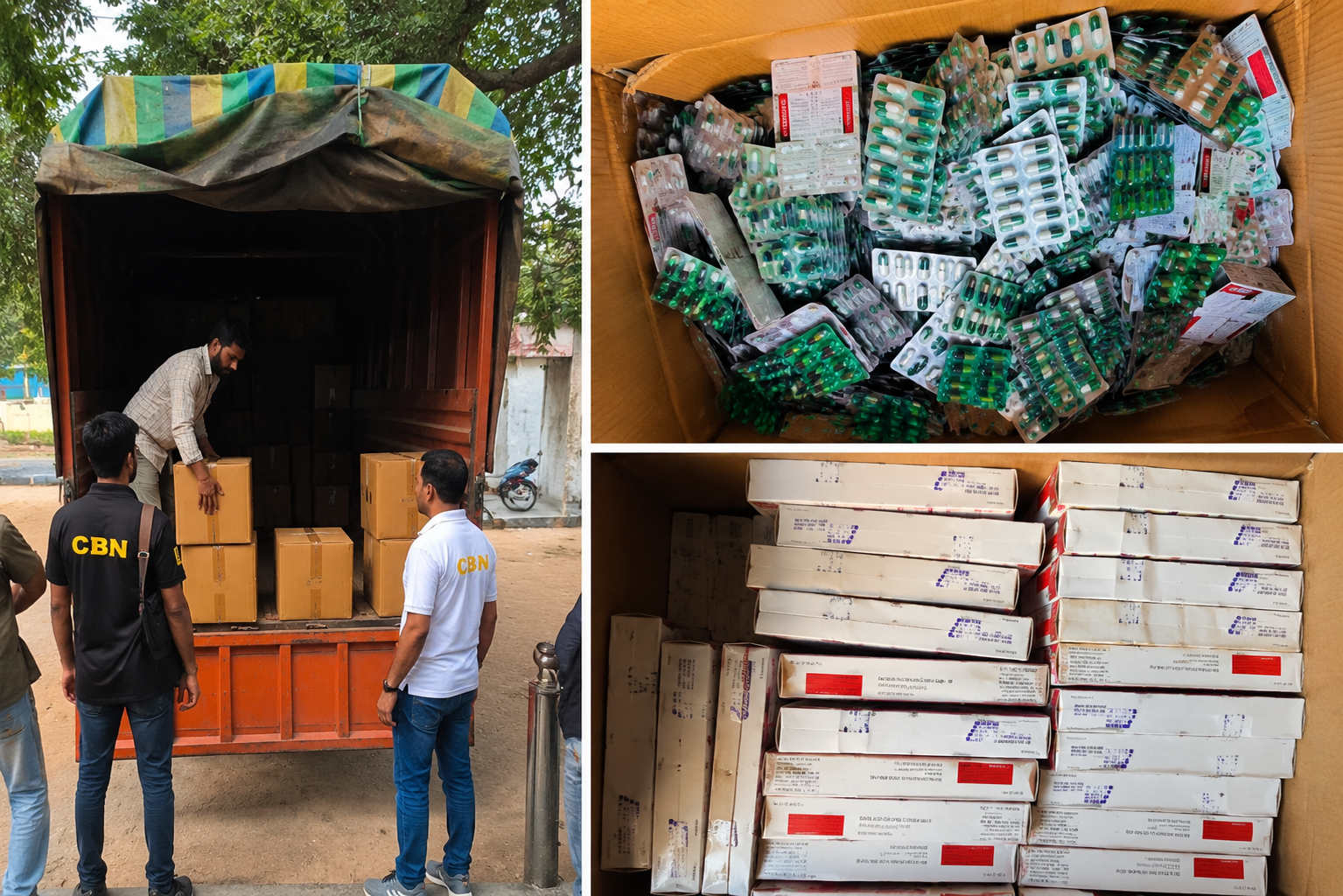
CBN ने 27–28 August 2026 को Chandigarh–Baddi interstate route पर एक कार्रवाई में 66,79,980 psychotropic tablets जब्त करने की जानकारी दी है। Official release के अनुसार इस consignment में Alprazolam, Tramadol, Nitrazepam और Clonazepam tablets शामिल थीं। एक व्यक्ति को गिरफ्तार किया गया और एक SML Isuzu Sartaj truck भी जब्त किया गया।
यह कार्रवाई 29 August 2026 को Ministry of Finance के माध्यम से PIB ने जारी की।
66.80 लाख tablets आखिर मिली कहाँ?
CBN के अनुसार उसे Punjab–Himachal Pradesh corridor में psychotropic medicines की एक बड़ी illicit consignment की movement के बारे में specific intelligence मिली थी।
इसके बाद CBN की Madhya Pradesh Unit ने Chandigarh–Baddi interstate route पर surveillance शुरू की।
27 August 2026 को Uttar Pradesh registration वाले एक SML Isuzu Sartaj truck को intercept किया गया और detailed search के लिए secure location पर ले जाया गया।
कार्टन-दर-कार्टन जांच के दौरान 120 master cartons मिले, जिनमें controlled psychotropic substances की tablets थीं। कुल संख्या थी—
66,79,980 tablets
इनमें:
- Alprazolam
- Tramadol
- Nitrazepam
- Clonazepam
शामिल थीं।
CBN ने पूरी consignment और truck को NDPS Act, 1985 के relevant provisions के तहत seize करने की जानकारी दी है।
सबसे ज्यादा चिंता किस बात की है?
CBN के अनुसार preliminary examination में ऐसा सामने आया कि supply chain को regulatory tracking से बचाने के लिए कुछ deliberate steps अपनाए गए थे।
काफी मात्रा में blister strips और boxes से:
- Batch numbers
- Manufacturing dates
- Expiry dates
हटा दिए गए थे।
इसके अलावा कुछ medicines पर “Not to be sold in Punjab Haryana State” marking थी, लेकिन उन्हें इस region में ले जाने के लिए आवश्यक supporting documents—जैसे invoice, bilty और e-way bill—नहीं मिले।
यहीं से यह मामला केवल “बहुत सारी tablets पकड़ी गईं” वाली खबर नहीं रह जाता। यह सवाल उठता है— Pharmaceutical supply chain से medicines को divert करके आखिर कहाँ और किस network में भेजा जा रहा था?
CBN ने बताया है कि investigation अब alleged upstream manufacturing और supply channels तथा downstream distribution network की पहचान करने की दिशा में आगे बढ़ रही है।
Psychotropic medicines क्या होती हैं?
“Psychotropic” शब्द का इस्तेमाल उन substances के लिए किया जाता है जो central nervous system और mental processes पर प्रभाव डाल सकते हैं।
लेकिन यहाँ एक जरूरी distinction समझना चाहिए।
हर psychotropic medicine अपने-आप में illegal नहीं होती।
इनमें से कई substances का legitimate medical use हो सकता है और उनका manufacture, possession, sale और distribution applicable licences, prescriptions, regulatory requirements और कानून के अनुसार किया जा सकता है।
समस्या तब पैदा होती है जब regulated medicines को illegal तरीके से divert, possess, transport, sell या distribute किया जाता है।
NDPS Act, 1985 psychotropic substances से संबंधित activities को regulate करता है और contravention के लिए अलग-अलग circumstances के अनुसार punishment का framework देता है।
इसलिए किसी medicine का नाम देखकर उसे सीधे “illegal drug” कहना भी सही नहीं होगा।
असल सवाल है—वह substance किस legal authority, documentation और circumstances में रखा, transported या distributed किया जा रहा था।
NDPS Act में मामला कितना गंभीर हो सकता है?
NDPS Act की Section 22 psychotropic substances से संबंधित contraventions के लिए punishment का framework देती है।
कानून में punishment quantity के आधार पर अलग-अलग categories में दी गई है—small quantity, small से ज्यादा लेकिन commercial से कम quantity और commercial quantity। Commercial quantity वाले offence में Section 22(c) के तहत 10 से 20 वर्ष तक rigorous imprisonment और ₹1 लाख से ₹2 लाख तक fine का प्रावधान है; Court reasons record करके ₹2 लाख से अधिक fine भी impose कर सकता है।
लेकिन इस particular seizure में केवल tablets की संख्या देखकर यह conclude करना सही नहीं होगा कि कौन-सी exact quantity category लागू होगी।
क्यों?
क्योंकि NDPS quantity assessment applicable substance और notified quantity framework के अनुसार होती है। केवल “66.80 lakh tablets” का आंकड़ा अपने-आप किसी individual substance की commercial quantity establish नहीं करता।
इसका final legal classification investigation, chemical analysis, applicable notifications और facts पर निर्भर करेगा।
यही फर्क responsible crime reporting में जरूरी है।
2026 में CBN ने कितनी कार्रवाई की?
इस particular operation का आंकड़ा बड़ा है, लेकिन उससे भी बड़ा CBN का 2026 cumulative enforcement figure है।
CBN के official release के अनुसार, calendar year 2026 में अब तक:
- 197 cases book किए गए;
- 272 persons गिरफ्तार किए गए;
- 6 clandestine laboratories bust की गईं;
- लगभग 51,000 kg विभिन्न NDPS drugs seize किए गए;
- और लगभग 12,72,00,000 tablets और capsules of psychotropic medicines intercept किए गए।
ध्यान रहे—यह 66,79,980 tablets वाली एक कार्रवाई का आंकड़ा नहीं है। यह CBN द्वारा बताए गए पूरे 2026 के cumulative enforcement figures हैं।
“दवा” से “illegal diversion” तक कहानी कैसे पहुंचती है?
Pharmaceutical drugs की legitimate supply chain में manufacturing से लेकर distribution और sale तक कई regulatory layers होती हैं।
इसलिए जब किसी consignment में:
- जरूरी documentation मौजूद न हो,
- batch/manufacturing/expiry details मिटाई गई हों,
- territorial sale restrictions वाली medicines दूसरे region में ले जाई जा रही हों,
तो enforcement agencies के लिए यह जांच का विषय बन जाता है कि क्या medicines legitimate supply chain से divert हुईं और उनका final destination क्या था।
CBN के अनुसार इसी angle से अब आगे की investigation की जा रही है।
क्या सिर्फ truck driver या transporter ही जिम्मेदार होगा?
यह भी investigation का विषय है।
किसी vehicle में prohibited या illegally diverted substance मिलने के बाद केवल recovery होना और किसी व्यक्ति की criminal liability establish होना एक ही बात नहीं है।
Investigation में यह देखना महत्वपूर्ण होगा कि:
- consignment किसने तैयार की?
- medicines कहाँ से निकलीं?
- किसके नाम पर थीं?
- documents क्यों नहीं थे?
- transport किसने arrange किया?
- destination कौन था?
- intended recipient कौन था?
- और supply chain में अन्य कौन लोग या entities शामिल थे?
CBN ने खुद कहा है कि follow-up investigation का उद्देश्य upstream manufacturing and supply channels तथा downstream distribution network की पहचान करना है।
इसलिए अभी किसी arrested व्यक्ति को पूरे alleged network का mastermind या “drug kingpin” कहना उचित नहीं होगा।
एक गिरफ्तारी, लेकिन जांच का दायरा बड़ा
Official release के अनुसार इस operation में एक suspect गिरफ्तार किया गया है। CBN ने यह भी कहा है कि investigation जारी है और अन्य persons तथा entities की भूमिका की जांच की जा रही है।
इसका मतलब है कि अभी यह कहना जल्दबाजी होगी कि पूरा network सामने आ गया है।
अक्सर inter-state pharmaceutical diversion cases में seizure investigation की शुरुआत होती है, अंत नहीं।
CrimeInDelhi की नजर से यह मामला क्यों महत्वपूर्ण है?
यह घटना Delhi में नहीं हुई। लेकिन CrimeInDelhi के लिए इसमें एक बड़ा national legal-awareness angle है।
आज आम नागरिक के लिए “drug crime” का मतलब अक्सर cannabis, cocaine, heroin या MDMA जैसी substances से जुड़ी खबरें होता है। लेकिन pharmaceutical medicines की illegal diversion भी एक गंभीर enforcement concern हो सकती है।
इस case से एक जरूरी सवाल सामने आता है—
क्या हर prescription medicine सिर्फ “दवा” है, या गलत तरीके से divert होने पर वही supply chain criminal investigation का हिस्सा बन सकती है?
जवाब है—circumstances matter करते हैं।
किसी medicine का legal status उसके नाम से नहीं, बल्कि applicable law, substance classification, licence, documentation, quantity और conduct जैसे factors से तय होता है।
आरोपी की गिरफ्तारी conviction नहीं है
CrimeInDelhi की reporting में एक और legal distinction जरूरी है।
CBN ने एक व्यक्ति की गिरफ्तारी की जानकारी दी है।
लेकिन arrest का मतलब conviction नहीं है।
किसी व्यक्ति की criminal liability अंततः investigation में collected evidence और competent court के adjudication पर निर्भर करेगी।
इसलिए इस stage पर सही language होगी—
“CBN के अनुसार आरोपी”,
“गिरफ्तार व्यक्ति”, या
“जांच के दायरे में व्यक्ति”।
उसे सीधे “अपराधी” कहना उचित नहीं होगा।
आगे क्या होगा?
CBN के अनुसार investigation अब alleged supply chain के दोनों सिरों तक पहुंचने की कोशिश कर रही है।
यानी जांच का अगला महत्वपूर्ण चरण होगा— Source → Transport → Distribution → Intended Destination
अगर investigation में यह साबित होता है कि medicines legitimate pharmaceutical chain से जानबूझकर divert की गई थीं, तो मामला केवल एक seizure तक सीमित नहीं रहेगा।
इसके पीछे जुड़े manufacturers, suppliers, transporters, distributors या अन्य persons/entities की भूमिका भी जांच के दायरे में आ सकती है।
66,79,980 psychotropic tablets की बरामदगी केवल एक बड़ा seizure figure नहीं है।
यह भारत की pharmaceutical supply chain में illegal diversion और regulatory tracking से बचने की कोशिशों पर enforcement agencies की बढ़ती निगरानी को भी दिखाता है।
CBN ने बताया है कि 2026 में अब तक उसके द्वारा 12.72 करोड़ tablets और capsules of psychotropic medicines intercept किए गए हैं।
लेकिन इस कहानी का असली जवाब seizure की संख्या में नहीं है।
असली सवाल है—
ये medicines कहाँ से आईं, किसने divert कीं, किसके लिए भेजी जा रही थीं और इस पूरी supply chain में कौन-कौन शामिल था?
इन सवालों के जवाब CBN की आगे की investigation से सामने आएंगे।
Sources:
Central Bureau of Narcotics (CBN), Ministry of Finance, Government of India / PIB
Publication Date: 29 August 2026, 5:40 PM
Official Release: “CBN seizes 66.80 lakh psychotropic tablets in major inter-state pharmaceutical diversion case under Operation Vajra 2.0; one arrested”
कानूनी संदर्भ: Narcotic Drugs and Psychotropic Substances Act, 1985, विशेष रूप से Section 22 से संबंधित provisions.
Official PIB Release — CBN Operation Vajra 2.0
India Code — NDPS Act, 1985